

































Septiembre, 2025
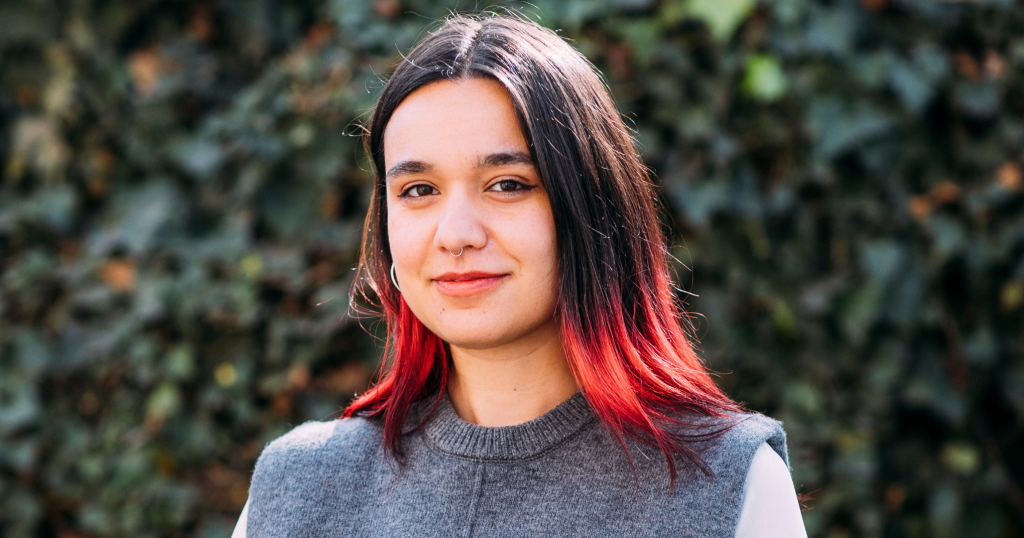
Saloni Doshi es una destacada coleccionista india cuya relación con las artes comenzó desde muy joven a través de la danza clásica Bharatnatyam, la música hindustani y el teatro. Su formación en fotografía con Jeroo Mulla y su paso por Osian’s Auction House marcaron el inicio de su vínculo con las artes visuales, aunque el concepto de “coleccionista” le llegó de manera orgánica y no como una meta premeditada.
En más de dos décadas ha reunido una colección que incluye pintura, obras en papel y, de manera muy significativa, fotografía, medio hacia el cual siente una afinidad especial al considerarlo un lenguaje democrático y accesible. Para Doshi, el valor del arte radica en el mensaje y no en el medio, por lo que se define como “medium-agnostic”.
Doshi, fotógrafa ella misma, explica la importancia de esta disciplina en su colección y su deseo de que la Saloni Doshi Collection (SDC) sea un ejercicio que involucre a diversas audiencias. Su libro “The Right to Look” busca documentar la evolución de más de 450 prácticas artísticas con las que ha interactuado en la residencia Space118 y en su colección.
El documento incluye un recorrido histórico por la fotografía india desde la década de 1840 hasta la de 2020, destacando la influencia colonial y la posterior emergencia de una sensibilidad artística india. Se mencionan fotógrafos clave como Lala Deen Dayal, Narayan Vinayak Virkar, Homai Vyarawalla y Jyoti Bhatt, y cómo la fotografía en la India post-1990s comenzó a abordar temas de género, identidad y realidad postcolonial.
La entrevista a continuación es un extracto de “The Right to Look.”, una colección de fotografías de Saloni Doshi, seleccionadas por Amit Kumar Jain, y exhibidas en SPACE118 de noviembre de 2023 a marzo de 2024.

Saloni Doshi colecciona arte popular, tribal y contemporáneo de India y el Sudeste asiático.
AJ – ¿Cómo comenzó tu camino en el coleccionismo de arte? ¿Siempre imaginaste que serías coleccionista/patrocinadora de arte?
SD – Desde mis primeros años, estuve rodeada de un entorno impregnado de influencias artísticas. Desde muy joven recibí formación en la danza clásica Bharatnatyam y pasé ocho años de instrucción en música clásica hindustani bajo la guía de Shubha Mudgal en mi colegio en Nueva Delhi. Además, perfeccioné mis habilidades en la ejecución del armonio. En este período, mi madre desempeñó un papel crucial en mi vida, presentándome de manera constante a diversos tipos de teatro, incluidos producciones en gujarati, hindi e inglés.
Visitar el Teatro Prithvi se convirtió en una rutina en nuestra vida diaria (de hecho, cuando me trasladé al sur de Bombay, inmediatamente busqué la membresía vitalicia en el NCPA, lo que subraya la importancia duradera del teatro en mis experiencias). Esta exposición continua a diversas formas de arte me abrió un nuevo mundo, particularmente alrededor del año 2000, cuando realicé una pasantía en Osian’s. Allí tuve acceso a una extensa colección de libros, monografías, folletos, catálogos y literatura, lo que me permitió adentrarme en los reinos del arte; mi tiempo en la casa de subastas desempeñó un papel fundamental en el cultivo de mi naciente pero profunda apreciación por las artes visuales. Esto, sumado a una formación formal en fotografía bajo la tutela de Jeroo Mulla en el Sophia Polytechnic, contribuyó significativamente al inicio de mi trayectoria como coleccionista. Sin embargo, la idea de ser una “coleccionista” no era algo que hubiese imaginado para mí; de hecho, desconocía la terminología. Aunque sabía que la gente compraba obras de arte y entendía su valor de mercado, los términos “coleccionista” y “patrocinador” me eran inicialmente ajenos. Para ser sincera, me topé con estos términos y sus asociaciones de por vida gracias a mi intensa pasión por una amplia gama de artes.
AJ – Además de una notable colección de arte contemporáneo de pinturas y obras en papel, hay un número sustancial de obras fotográficas que has reunido en las últimas dos décadas. ¿Puedes contarnos cómo sucedió esto? ¿Cuál ha sido tu afinidad con este medio artístico?
SD – Siempre he sentido una profunda conexión con el acto de coleccionar fotografías. Como coleccionista, mi interés radicaba en comprender los métodos artísticos, observar los procesos creativos que se desarrollaban en los estudios de los artistas. Descubrí que las fotografías tenían una capacidad única para capturar y encapsular de manera conmovedora esos momentos. Bajo la guía de Jeroo Mulla y a través de mi inmersión en las obras de cineastas como Akira Kurosawa, Wong Kar Wai, Mani Kaul y Satyajit Ray, así como en la obra fotográfica de Cartier Bresson, Man Ray y Eugène Atget, quedé particularmente fascinada con la forma en que una fotografía meticulosamente compuesta podía moldear nuestra percepción del mundo. Fue esta consideración estética e histórica la que me motivó a coleccionar tales obras fotográficas.
Cabe señalar, sin embargo, que la fotografía es solo un medio hacia el cual he sentido afinidad; de hecho, me considero “agnóstica respecto al medio”, pues el género de una obra es un conducto, una manera en que se transmite el mensaje. Aunque, debe decirse, tengo una debilidad por las obras en papel, y quizás allí es donde una fotografía se acomoda cómodamente en mi corazón.
AJ – ¿Alguna vez imaginaste convertirte en fotógrafa a tiempo completo, quizá fotógrafa de arte?
SD – Habiendo sido formada formalmente como fotógrafa, he tenido un profundo amor por la fotografía y el arte de tomar imágenes desde que tengo memoria. Sin embargo, nunca consideré dedicarme a ello profesionalmente. Mi interés se centraba principalmente en capturar espacios arquitectónicos e interiores, y aunque lo disfrutaba, nunca pensé en convertirlo en una práctica formal. En mis primeros treinta años, solía regalar las fotos que tomaba a mis amigos, pero era meramente un gesto casual. Como subraya esta exposición, mi verdadera pasión siempre se ha centrado más en coleccionar que en crear fotografías.
AJ – ¿Qué tan importante consideras el papel del coleccionista privado hoy, en un tiempo en el que existen cientos de galerías de arte e innumerables instituciones museísticas en crecimiento?
SD – Siendo coleccionista, me siento justificada al enfatizar el papel cada vez más crucial de los coleccionistas privados. La importancia de este rol se evidencia en la creciente comunidad de coleccionistas que se une en su pasión compartida por el arte. En regiones como EE.UU. y Europa, esta comunidad de coleccionistas es notablemente entusiasta y proactiva al compartir, donar y exhibir sus colecciones, fomentando relaciones simbióticas con diversas instituciones. En India, sin embargo, aún no hemos desarrollado tal vocabulario y sentimiento. Los coleccionistas privados aquí a menudo mantienen una postura más reservada, conservando sus colecciones en gran medida en privado. Aunque existen excepciones, como el KNMA y el NMACC, todavía queda un largo camino por recorrer en cuanto a abrir discusiones sobre cómo podemos generar un impacto significativo con el arte indio (o cualquier otra forma de arte) y proporcionar acceso público a colecciones que no están fácilmente disponibles para las instituciones. La colaboración entre un coleccionista y una institución pública es integral para establecer un ecosistema dinámico que no solo beneficie a los artistas, sino que también difunda información y comprensión al público en general.
AJ – ¿Es el coleccionismo de arte una empresa difícil, quizás arriesgada? ¿Qué tipo de obstáculos has enfrentado en tu recorrido al reunir esta colección?
SD – Emprender el camino del coleccionismo de arte ha sido inesperadamente desafiante, a menudo evocando emociones, aunque nunca lo he percibido como arriesgado. Siempre he realizado compras dentro de mis posibilidades económicas, optando en ocasiones por pagos en cuotas. Cuando encuentras una obra que resuena contigo a nivel personal, emocional, histórico o puramente abstracto, naturalmente buscas la mejor manera de adquirirla, y eso es precisamente lo que hice. La dificultad en este recorrido no surge únicamente de la posibilidad de no obtener o costear todo lo que deseas. El desafío radica en el número limitado de personas que realmente aprecian y apoyan tus sentimientos y, si puedo añadir, tus hábitos de gasto. Aunque cultivé conexiones significativas con coleccionistas establecidos como Lekha Poddar, Rajiv Savara, Kavita Singh, Anurag Khanna y varios otros en India y alrededor del mundo, construir estas relaciones fue un proceso gradual. Este camino ha implicado sacrificios en ocasiones, pero al final ha resultado ser inmensamente disfrutable y gratificante.
AJ – ¿Qué tipo de relación has desarrollado con los fotógrafos cuyas obras has coleccionado? ¿Ha sido un tanto desconectada, o te encuentras completamente inmersa en su proceso antes de adquirir alguna de sus obras?
SD – He interactuado con su cuerpo de obra, pensamientos, viajes y experiencias de vida, ya sea leyendo o conversando con ellos, para luego sentirme más atraída hacia el trabajo. Dicho esto, sin embargo, no es la personalidad lo que me cautiva o despierta mi interés en coleccionar, sino la obra misma. Nunca he abordado el coleccionismo de arte con un enfoque en el artista o el medio, sino en el mensaje transmitido por la obra o las obras.
AJ – ¿Qué mensaje deseas transmitir con la exhibición de tus obras al público?
SD – Veo el mensaje como doble: se refiere a la importancia de las colecciones privadas y a la influencia de la fotografía. A lo largo de mi camino como coleccionista, he atravesado diversos paisajes, asistiendo a ferias de arte, bienales, exposiciones y preestrenos privados en todo el mundo. Estas experiencias han nutrido mi sentido estético y me han presentado nuevas conexiones que han respaldado mis preferencias y aspiraciones dentro de este ecosistema artístico. Creo que tal exposición debería estar al alcance de todos quienes la busquen. Numerosos tesoros están escondidos detrás de persianas y guardados, conteniendo historias no contadas que podrían contribuir de manera significativa al cuerpo en evolución del arte indio, dando forma en última instancia a nuestro patrimonio e identidad.
Además, quiero que la gente reconozca la fotografía como un género artístico crucial, al mismo nivel que cualquier otro medio. Es notablemente democrático y accesible, instándonos a ampliar nuestra comprensión visual e intelectual de él.
AJ – ¿Hay fotografías/obras que deseas adquirir y aún no has tenido la oportunidad? ¿O algún arrepentimiento en el mismo género?
SD – ¡La lista es interminable! Hay tantas prácticas profundamente entrañables y maravillosas en todas partes. Si tuviera que mencionar algunas, diría Raghubir Singh, Richard Avedon, Peter Hujar, Annie Leibovitz, Andreas Gursky, Hiroshi Sugimoto, entre otros. Además, cuando adquieres algo que resuena profundamente con tu amor, alegría y sentimientos apreciados, el concepto de “arrepentimiento” nunca pasa por tus pensamientos. Aunque es posible superar una pieza con el tiempo —el coleccionismo es un recorrido marcado por varias paradas— en cada etapa de mi vida en que he realizado una compra, siempre ha partido de un lugar de afecto genuino, asegurando que conserve un significado especial para mí.
AJ – ¿Qué crees que distingue a los fotógrafos indios en el mundo del arte actual? ¿Consideras que han establecido una posición dominante en el país y en el mundo?
SD – Es difícil definir una cualidad fotográfica singular que se haya vuelto definitoria para una nación tan grande y diversa como la nuestra. Aunque puede ser desalentador observar que solo un puñado de fotógrafos de India alcanzan reconocimiento global, como Dayanita Singh, Gauri Gill, Pablo Bartholomew y Raghu Rai, lo que encuentro realmente cautivador es la amplia gama que aportan, reflejando la diversidad que moldea su —y nuestra— visión del mundo. Por ejemplo, la innovadora exposición de Pablo Bartholomew, The Nagas, ofrece un retrato vívido de la colorida, exótica y delicada vida de la comunidad tribal. Su naturaleza extraordinaria es incomparable. No obstante, la fotografía de Raghu Rai durante los años del Congreso o las fotografías del siglo XIX de Lala Deen Dayal son monumentales por derecho propio, haciendo que cualquier comparación resulte débil y secundaria.
AJ – A menudo se ve que la gente favorece las obras pintadas (óleo, acuarela, etc.) por sobre la fotografía como las verdaderas o “mejores” obras de arte – obras que requieren habilidad pictórica y detalle, en oposición a algo que es impreso. ¿Qué dirías a eso?
SD – Como mencioné antes, creo que es importante que estemos expuestos a formas más nuevas, nuevos vocabularios que amplíen nuestra comprensión del arte y de sus diversos géneros. Solo entonces podremos superar esas ideas generalizadas sobre lo que es realmente “arte” y apreciar todo tipo de estilos y medios. Estoy interesada en mostrar obras de instalación próximamente, permitiendo a la gente examinar un estilo de arte que rara vez se ve o se aprecia fuera de los museos o muestras selectas. Ya es hora de que nos involucremos de una manera más elaborada para destacar la posición multifacética del arte.
AJ – ¿Hay fotógrafos hacia los que te sientas particularmente inclinada?
SD – Entre los numerosos artistas que he encontrado, mi amor y admiración perdurables se extienden hacia Hiroshi Sugimoto, Raghu Rai y Pushpamala N. Cuando experimenté por primera vez la obra de Hiroshi Sugimoto en Pace Gallery hace varios años, su enfoque conceptual y filosófico de la fotografía alteró significativamente mis perspectivas sobre cómo relacionarme con el medio. Su serie Sea of Buddha marcó una transición de la representación realista a la elegancia abstracta, un aspecto que resonó profundamente en mí.
De manera similar, la práctica documental de Raghu Rai ha dejado una profunda huella. Su habilidad para capturar un momento, encapsulando los sentimientos que definen nuestra historia y las emociones que hemos vivido, ha sido un camino verdaderamente inspirador. Además, la fotografía performática de Pushpamala me ha dejado constantemente maravillada en cada iteración. Si pudiera, coleccionaría con entusiasmo todas las ediciones disponibles y los vestuarios.
AJ – ¿Qué pasará con la colección Saloni Doshi en un par de décadas? ¿Has pensado en el destino final de lo que has adquirido?
SD – Desarrollar el coraje, la dedicación y la pasión para exhibir mi colección ha sido una tarea formidable y a menudo desafiante, y creo sinceramente que apenas estoy al comienzo de este camino. Exhibir una colección adquirida con amor es similar a mostrar las joyas de una corona: un momento de orgullo y vulnerabilidad. Muchos coleccionistas luchan con tal empresa, ya que no todos tienen los medios para establecer un espacio de exhibición dedicado. Sin embargo, estoy decidida a abrazar el presente en lugar de posponer esta experiencia hasta que tenga 60 años. Aspiro a hacer que esta colección sea accesible a una audiencia más amplia porque creo que el propósito de esta exposición va más allá de evaluar lo que necesita preservación y restauración.
Mi objetivo es ser una catalizadora, una “agente de cambio”. Creo que compartir esta colección no debería limitarse a coleccionistas ricos o mayores; también debería estar abierta a los jóvenes. La edad no debería ser una barrera que impida a las personas compartir, educar e informar a otros sobre las diversas posibilidades del arte. Visualizo que la Colección Saloni Doshi se presente siempre que y donde sea posible. En ese sentido, todas las exposiciones estarán disponibles en línea en el sitio web de la Colección, así como en sus redes sociales. Me traería una inmensa alegría verla viajar a otras ciudades como Bangalore, Chennai, Delhi y Calcuta, expandiéndose aún más en los años venideros. Aunque la colección pueda eventualmente encontrar su lugar en un museo (eso espero), hasta entonces, quedan muchos más kilómetros por recorrer y un sinfín de obras de arte por apreciar.
Saloni Doshi is a prominent Indian collector whose relationship with the arts began at a young age through classical Bharatnatyam dance, Hindustani music, and theatre. Her training in photography with Jeroo Mulla and her time at Osian’s Auction House marked the start of her connection with the visual arts, although the concept of being a “collector” came to her organically rather than as a predetermined goal.
Over more than two decades, she has assembled a collection that includes painting, works on paper, and—most notably—photography, a medium for which she feels a special affinity, considering it a democratic and accessible language. For Doshi, the value of art lies in the message rather than the medium, which is why she describes herself as “medium-agnostic.”
The following interview is an excerpt from The Right to Look., a collection of photographs from Saloni Doshi curated by Amit Kumar Jain and exhibited at SPACE118 from November 2023 to March 2024.
Doshi, a photographer herself, explains the importance of this discipline within her collection and her desire for the Saloni Doshi Collection (SDC) to serve as an exercise that engages diverse audiences. Her book The Right to Look seeks to document the evolution of more than 450 artistic practices she has encountered through Space118’s residency program and her collection.
The publication includes a historical overview of Indian photography from the 1840s to the 2020s, highlighting the influence of colonialism and the subsequent emergence of an Indian artistic sensibility. It references key photographers such as Lala Deen Dayal, Narayan Vinayak Virkar, Homai Vyarawalla, and Jyoti Bhatt, and discusses how post-1990s photography in India began to address issues of gender, identity, and postcolonial realities.
AJ – How did your journey into collecting art began? Did you always imagine yourself to be an art collector/patron?
SD – Since my early years, I have been surrounded by an environment steeped in artistic influences. From a very young age I received training in the classical dance form of Bharatnatyam and underwent eight years of instruction in Hindustani Classical music under the guidance of Shubha Mudgal at my school in New Delhi. Additionally, I honed my skills in playing the harmonium. In this period, my mother played a crucial role in my life by consistently introducing me to various types of theatre, including Gujarati, Hindi, and English productions.
Visiting Prithvi Theater became a routine in our daily lives (in fact, when I relocated to South Bombay, I promptly sought lifelong membership at the NCPA, underscoring the enduring importance of theatre in my experiences). This continuous exposure to various art forms opened up a new world for me, particularly around the year 2000 when I interned at Osian’s. I gained access to an extensive collection of books, monographs, pamphlets, catalogues, and literature, allowing me to delve into the realms of art – my time at the auction house played a pivotal role in cultivating my nascent yet profound appreciation for visual arts. This, coupled with formal photographic training under Jeroo Mulla at Sophia Polytechnic, significantly contributed to the initiation of my journey as a collector. The idea of being a ‘collector’ however was not something I had envisioned for myself; in fact, I was unaware of the terminology! While I knew people purchased artworks and understood their market value, the terms ‘collector’ and ‘patron’ were initially unfamiliar to me. To be honest, I stumbled upon these terms and their lifelong associations through my intense passion for a wide range of arts.
AJ – Apart from a notable contemporary art collection of paintings and paperworks, there is a substantial number of photographic artworks that you have collected in the last two decades. Can you tell us how this came about – what has been your affinity with such a medium of art?
SD – I have always felt a profound connection to the act of collecting photographs. As a collector, my interest lay in comprehending artistic methods, observing the creative processes unfolding in artists’ studios. I discovered that photographs had a unique ability to poignantly capture and encapsulate those moments. Under the guidance of Jeroo Mulla and through my immersion in the works of filmmakers like Akira Kurosawa, Wong Kar Wai, Mani Kaul and Satyajit Ray and the photographic works of Cartier Bresson, Man Ray and Eugène Atget, I became particularly enthralled by how a meticulously composed photograph could shape our perceptions of the world. It was this aesthetic and historical consideration that motivated me to collect such photographic works. It is also interesting to note however that photography is but one medium that I have felt an affinity towards – in fact, I would call myself ‘medium-agnostic,’ for the genre of an artwork is a conduit, a manner in which the message is conveyed. Although, it must be said, I do have a soft spot for works on paper, and perhaps that is where a photograph comfortably nestles itself in my heart.
AJ – Did you ever imagine yourself becoming a full-time photographer, a fine art photographer perhaps?
SD – Having been formally trained as a photographer, I have had a deep love for photography and the art of taking pictures for as long as I can remember. However, I never considered pursuing it as a profession. My interest has mainly been in capturing architectural spaces and interiors, and although I enjoyed it, I never thought about turning it into a formal practice. In my early thirties, I would often gift the photos I took to my friends, but it was merely a casual gesture. As this exhibition underscores, my true passion has always centred around collecting rather than creating photographs.
AJ – How important do you think the role of the private collector is today, at a time when there are hundreds of art galleries and countless museum institutions coming up?
SD – Being a collector myself, I feel justified in emphasising the increasingly crucial role of private collectors. The significance of this role is evident in the growing community of collectors who unite in their shared passion for art. In regions like the US and Europe, this collector community is notably enthusiastic and proactive in sharing, donating, and exhibiting their collections, fostering symbiotic relationships with various institutions. In India, however, we have yet to develop such a vocabulary and sentiment. Private collectors here often maintain a more reserved stance, keeping their collections largely private. While there are exceptions, such as the KNMA and NMACC, there is still a considerable distance to cover in terms of opening up discussions on how we can make a meaningful impact with Indian (or any other form of) art and provide public access to collections that may not be readily available to institutions. The collaboration between a collector and a public institution is integral to establishing a dynamic ecosystem that not only benefits the artists but also disseminates information and understanding to the broader public.
AJ – Is art collection a difficult, perhaps risky endeavour? What sort of obstacles have you faced in your journey while amassing such a collection?
SD – Embarking on the journey of collecting art has been unexpectedly challenging, often stirring up emotions, yet I’ve never perceived it as risky. I’ve consistently made purchases within my financial means, occasionally opting for installment payments. When you encounter a piece of art that resonates with you on a personal, emotional, historical, or purely abstract level, you naturally seek the best possible path to acquire it, and that’s precisely what I did. The difficulty in this journey doesn’t solely arise from the possibility of not obtaining or affording everything you desire. The challenge lies in the limited number of individuals who genuinely appreciate and support your sentiments, and, if I may add, your spending habits. Even as I cultivated significant connections with established collectors like Lekha Poddar, Rajiv Savara, Kavita Singh, Anurag Khanna and several others in India and around the the world, building these relationships was a gradual process. This journey has entailed sacrifices at times, but in the end, it has proven to be immensely enjoyable and gratifying.
AJ – What sort of relationship have you fostered with the photographers whose works you have collected? Has it been slightly disconnected, or do you find yourself completely immersed in their process before acquiring any of theirworks?
SD – I have engaged with their body of work, thoughts, travels and life experiences by reading or speaking to them and then been more drawn to the work. That being said however, it’s not the personality that captivates or engages my interest in collecting; rather, it’s the artwork itself. I’ve never approached art collection with a focus on the artist or the medium but rather on the message conveyed by the work or works
AJ – What message do you wish to convey with the exhibition of your works for public display?
SD – I see the message as twofold: it concerns the significance of private collections and the influence of photography. Throughout my journey as a collector, I’ve traversed diverse landscapes, attending art fairs, biennales, exhibitions, and private viewings around the world. These experiences have nurtured my sense of aesthetics and introduced me to new connections that have supported my preferences and aspirations within this artistic ecosystem.
I believe that such exposure should be accessible to all who seek it. Numerous treasures are hidden behind shutters and stored away, containing untold histories that could contribute significantly to the evolving body of Indian art, ultimately shaping our heritage and identity.
Additionally, I want people to recognize photography as a crucial genre of art, on par with every other medium. It is remarkably democratic and accessible, urging us to broaden our visual and intellectual understanding of it.
AJ – Are there any photographs/artworks you are keen to acquire that you may have not had the opportunity to, yet? Or are there any regrets in the same genre?
SD – This is an endless list! There are so many profoundly endearing and wonderful practices everywhere. If I had to pick some, I would say Raghubir Singh, Richard Avedon, Peter Hujar, Annie Liebovitz, Andreas Gursky, Hiroshi Sugimoto – among others. Moreover, when you acquire something that deeply resonates with your love, joy, and cherished sentiments, the concept of ‘regret’ never crosses your thoughts.
While it’s possible to outgrow a piece over time – collection is a journey marked by several stops – at each juncture in my life when I’ve made a purchase, it has consistently originated from a place of genuine affection, ensuring that it always retains a special significance to me.
AJ – What do you think is a quality that lets Indian photographers stand out in today’s art world? Do you believe they have established a dominant position in the country, and the world?
SD – It is difficult to define a singular photographic quality that has become definitive for a nation as big and diverse as ours. While it can be disheartening to observe that only a handful of photographers from India achieve global recognition, such as Dayanita Singh, Gauri Gill, Pablo Bartholomew, and Raghu Rai, what I find truly captivating is the extensive range they bring, reflecting the diversity that shapes their – and our – worldview. For instance, Pablo Bartholomew’s groundbreaking exhibition, “The Nagas,” offers a vivid portrayal of the tribal community’s colourful, exotic, and delicate livelihoods. Its remarkable nature is unparalleled. Nevertheless, the photography of Raghu Rai during the Congress years or Lala Deen Dayal’s 19th-century photographs stand as monumental in their own right, rendering any comparison feeble and secondary.
AJ – People are often seen favouring painted artworks (oil, watercolour, etc.) over photographs as ‘true’ or ‘better’ works of art – works that require painterly skill and detailing, as opposed to something that is printed. What would you say to that?
SD – As I mentioned before, I believe it is important that we are exposed to newer forms, newer vocabularies that broaden our understanding about art and its various genres. Only then would we get beyond such generalised ideas about what is really ‘art,’ and appreciate all sorts of styles and mediums. I am keen to display installation works next, allowing people an examination of a style of art that is rarely seen or appreciated outside museums or select shows. It is high time we involve ourselves in a more elaborate manner to highlight the multifaceted position of art.
AJ – Are there any photographers that you are inclined towards particularly?
SD – Among the numerous artists I’ve encountered, my enduring love and admiration extend to Hiroshi Sugimoto, Raghu Rai, and Pushpamala N. When I first experienced Hiroshi Sugimoto’s work at Pace Gallery several years ago, his conceptual and philosophical approach to photography significantly altered my perspectives on engaging with the medium. His “Sea of Buddha” series marked a transition from realistic depiction to abstract elegance – an aspect that resonated deeply with me. Similarly, Raghu Rai’s documentary practice has left a profound impact. His ability to capture a moment, encapsulating the sentiments that define our history and the emotions we’ve undergone, has been a truly inspiring journey. Additionally, Pushpamala’s performance photography has consistently left me in awe with each iteration. If I could, I would eagerly collect every edition available and the costumes!
AJ – What happens to the Saloni Doshi collection in a couple of decades? Have you thought of the final resting place for what you have acquired?
SD – Developing the courage, dedication, and passion to showcase my collection has been a formidable and often challenging undertaking, and I sincerely believe that I am only at the beginning of this journey. Exhibiting a collection acquired with love is akin to displaying one’s crown jewels – a moment of both pride and vulnerability. Many collectors grapple with such an endeavour, as not everyone has the means to establish a dedicated viewing space. However, I am keen on embracing the present rather than postponing this experience until I am 60. I aspire to make this collection accessible to a broader audience because I think the purpose of this exhibition goes beyond assessing what needs preservation and restoration. My goal is to be a catalyst, a ‘changemaker.’
I believe that sharing this collection should not be limited to wealthy or older collectors; it should also be open to young people. Age should not be a barrier preventing people from sharing, educating, and informing others about the diverse possibilities of art. I envision the Saloni Doshi Collection being presented whenever and wherever possible. To that end, all shows would be available to view online on the Collection’s website, as well as its social media. It would bring me immense joy to see it travel to other cities such as Bangalore, Chennai, Delhi, and Kolkata, expanding further in the years to come. While the collection may eventually find its place in a museum (I hope), until then, there are many more miles to cover and countless artworks to appreciate.
Inscríbete al newsletter de Ch.ACO y Ch.ACO+
Descubre panoramas, actividades culturales, arte, entrevistas, encuentros improbables y +